The Ultimate Guide to Using a Fly Fishing Log Book
Whether you're a seasoned angler or just starting out, keeping track of your fly fishing adventures is essential. A Fly Fishing Log Book serves as more than just a notebook—it's a valuable tool that helps you refine your skills, remember your best catches, and learn from every trip. But like any tool, it's only as effective as how you use it. In this guide, we'll explore what a Fly Fishing Log Book is, why it matters, and how to avoid common mistakes that can reduce its value.
What Is a Fly Fishing Log Book?
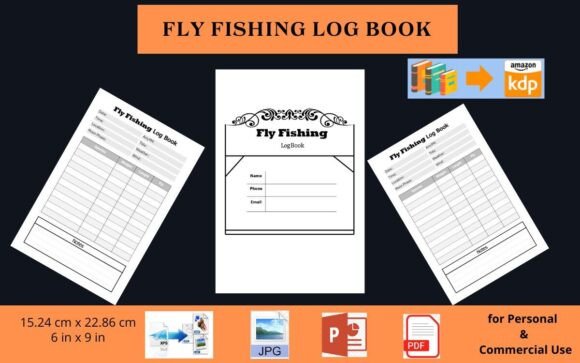
A Fly Fishing Log Book is designed to help anglers document their fishing experiences in an organized way. It typically includes sections for recording details such as the date, location, type of fish caught, weather conditions, and even personal reflections. These logbooks often feature tables, boxes, and blank spaces for notes, sketches, or photos, making them both functional and user-friendly.
For beginners, a Fly Fishing Log Book can be a great way to develop discipline and consistency in their fishing habits. For professionals, it can serve as a reference for analyzing patterns, tracking progress, and sharing insights with fellow anglers.
Common Mistakes When Using a Fly Fishing Log Book
Even with the best intentions, many anglers make mistakes when using their Fly Fishing Log Book. These errors can lead to wasted time, missed opportunities, or an overall lack of satisfaction with the tool itself.
1. Not Filling It Out Regularly
One of the most common mistakes is failing to update the Fly Fishing Log Book after each trip. If you wait too long to record your experience, details can fade from memory, and the logbook becomes less useful over time.
Solution: Make it a habit to review and fill out your Fly Fishing Log Book immediately after each outing. This ensures accuracy and makes it easier to refer back to past experiences.
2. Skipping Key Sections
Many users overlook important sections like weather conditions, tools used, or personal notes. While it might seem minor, these details are crucial for understanding why a particular day was successful or not.
Solution: Always complete all sections, even if they seem small. Weather data, for example, can reveal patterns that influence future fishing strategies.
3. Using a Generic Format
Some Fly Fishing Log Books are overly generic, offering little structure or customization. This can lead to disorganization and frustration, especially for those who want to tailor their records to specific needs.
Solution: Choose a Fly Fishing Log Book with clear sections and optional fields. Look for versions that include features like fish gauges, tips, and space for drawings or photos.
4. Ignoring Personal Reflections
While objective data is important, the Fly Fishing Log Book also offers a space for personal growth. Many anglers skip the “Notes” section, which can limit their ability to reflect on what worked and what didn’t.
Solution: Use the Notes section to write about your feelings, strategies, and any special moments. This adds depth to your records and helps you grow as an angler.
5. Not Reviewing Past Entries
It’s easy to forget the value of reviewing old entries, especially if you’re busy with other commitments. However, looking back at your Fly Fishing Log Book can reveal trends, successes, and areas for improvement.
Solution: Set aside time each month to review your Fly Fishing Log Book. This practice helps reinforce learning and keeps your records relevant.
What to Check Before Using Your Fly Fishing Log Book
Before diving into your Fly Fishing Log Book, take a few moments to evaluate whether it meets your needs. Consider the following:
- Does it include all the necessary sections? (Date, location, fish species, tools, weather, notes)
- Is the layout easy to use? (Tables, boxes, blank spaces for drawings)
- Are there additional features like tips, reference tables, or a section for accomplishments?
- Can you customize it to fit your style or preferences?
If you’re unsure, look for reviews or sample pages online to get a better sense of the product’s quality and usability.
Why a Fly Fishing Log Book Matters
A Fly Fishing Log Book isn’t just a collection of notes—it’s a companion to your fishing journey. By consistently documenting your experiences, you gain insight into your techniques, improve your decision-making, and create a lasting record of your achievements.
Whether you're aiming for your first big catch or refining your skills, a well-maintained Fly Fishing Log Book can help you stay focused, motivated, and informed. Avoid the common pitfalls mentioned above, and you’ll unlock the full potential of this invaluable tool.